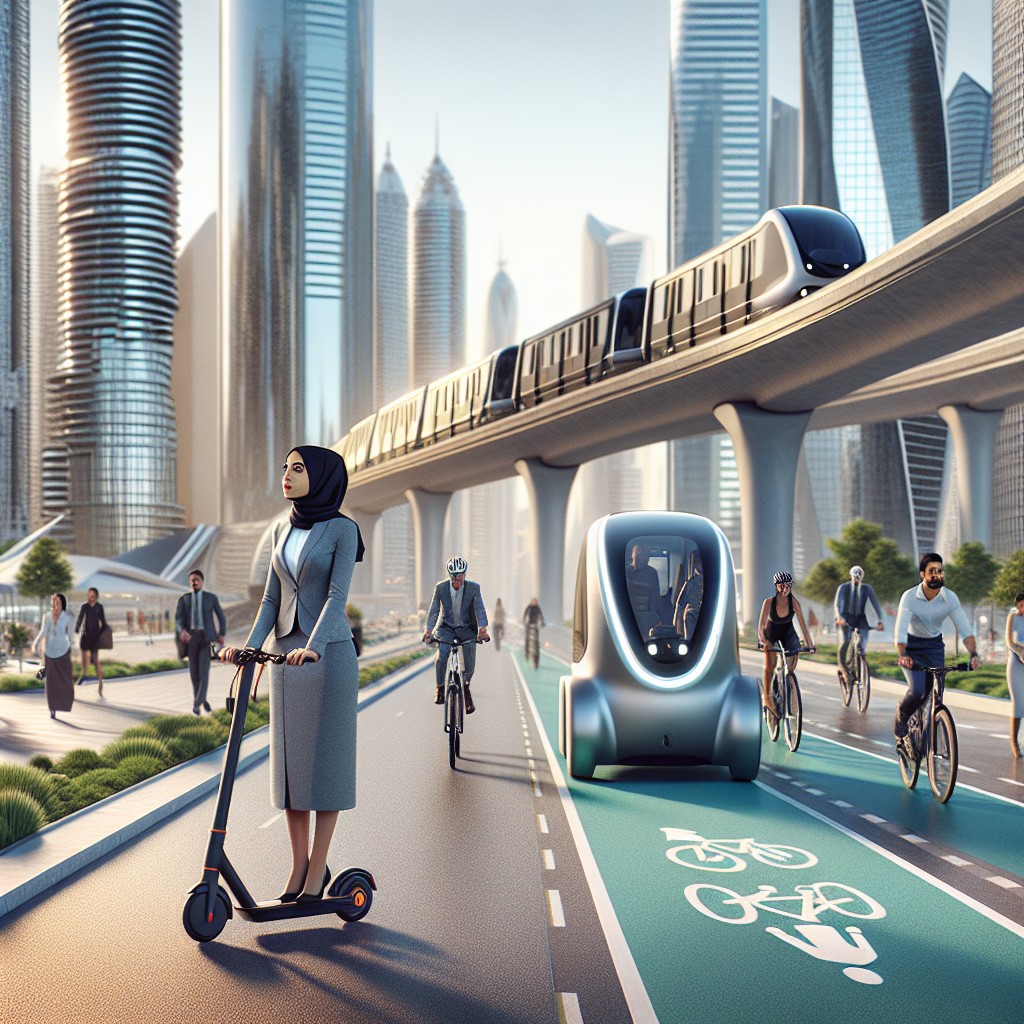
Urban mobility is undergoing a transformation as cities worldwide innovate to meet the growing demands of their populations while addressing environmental and economic challenges. The future of commuting reflects a shift toward sustainable, integrated, and technology-driven transport systems aimed at improving accessibility and reducing congestion.
Integration of Multimodal Transport Networks
Global cities are increasingly prioritizing the integration of various modes of transport to streamline urban mobility. From bicycles and scooters to buses and trains, seamless connections are being developed to facilitate efficient door-to-door journeys. Cities like Amsterdam and Singapore have implemented smart ticketing systems, allowing commuters to use a single payment method across multiple transport modes, enhancing convenience and encouraging public transit use.
Electrification and Sustainable Transport Solutions
The push for sustainability has accelerated the adoption of electric vehicles and infrastructure in urban areas. Governments and private sectors are investing in electric buses, charging stations, and incentives for electric private cars, aiming to reduce carbon emissions and improve air quality. For instance, Oslo’s commitment to electrify its public fleet exemplifies how cities are reimagining mobility with a focus on eco-friendly alternatives.
Smart Technology and Data-Driven Planning
Advancements in technology are reshaping how urban mobility is managed. Cities employ data analytics and Internet of Things (IoT) devices to monitor traffic patterns, optimize public transit routes, and predict commuter flows. Real-time information displays and mobile applications provide users with up-to-date travel options, reducing wait times and improving overall experience. These innovations support policymakers in making informed decisions to enhance transport efficiency.
Prioritizing Pedestrian and Cyclist Infrastructure
Many metropolitan areas are redesigning their streetscapes to prioritize non-motorized forms of transport. Expanding pedestrian zones and cycling lanes makes walking and biking safer and more attractive, directly influencing urban mobility patterns. Paris, for example, has introduced extensive bike-sharing programs coupled with dedicated cycling infrastructure, contributing to a notable reduction in car usage within the city center.
Addressing Equity in Urban Mobility
Ensuring equitable access to transport services is a critical focus for contemporary urban mobility strategies. Cities are adopting policies to bridge gaps for underserved communities by expanding affordable and reliable transit options. This approach aims to improve social inclusion, economic opportunity, and overall quality of life. Innovative programs in cities like Mexico City and Cape Town demonstrate efforts to enhance mobility accessibility for all residents.
As the landscape of urban mobility continues to evolve, global cities are demonstrating clear commitments to creating efficient, sustainable, and inclusive transport ecosystems. The integration of technology, infrastructure redesign, and policy reforms collectively shape a future where commuting is smarter and more adaptable to the needs of growing urban populations. Looking ahead, these trends suggest continued progress toward mobility systems that balance environmental priorities with social and economic goals, positioning urban areas to thrive in the decades to come.
Frequently Asked Questions about urban mobility
What is urban mobility and why is it important?
Urban mobility refers to the movement of people and goods within cities. It is important because effective urban mobility supports economic activity, reduces congestion, and improves quality of life by facilitating easy and sustainable access to work, education, and services.
How are cities improving urban mobility with technology?
Cities use technology such as data analytics, real-time tracking, and mobile applications to optimize transport routes, inform commuters, and enhance the efficiency of transit systems, making urban mobility more responsive and user-friendly.
What role does sustainability play in urban mobility?
Sustainability is central to urban mobility as cities adopt electric vehicles, promote public transit, and expand cycling and walking infrastructure to reduce carbon emissions and environmental impact.
How can urban mobility address social equity issues?
By providing affordable, accessible, and reliable transportation options across all city areas, urban mobility initiatives aim to ensure that underserved communities have equal opportunities to travel and participate in economic life.
Where can I find more information about urban mobility innovations worldwide?
Authoritative sources on urban mobility innovations include the International Transport Forum and global news outlets like the BBC’s Transport section, which regularly cover developments in urban transportation.