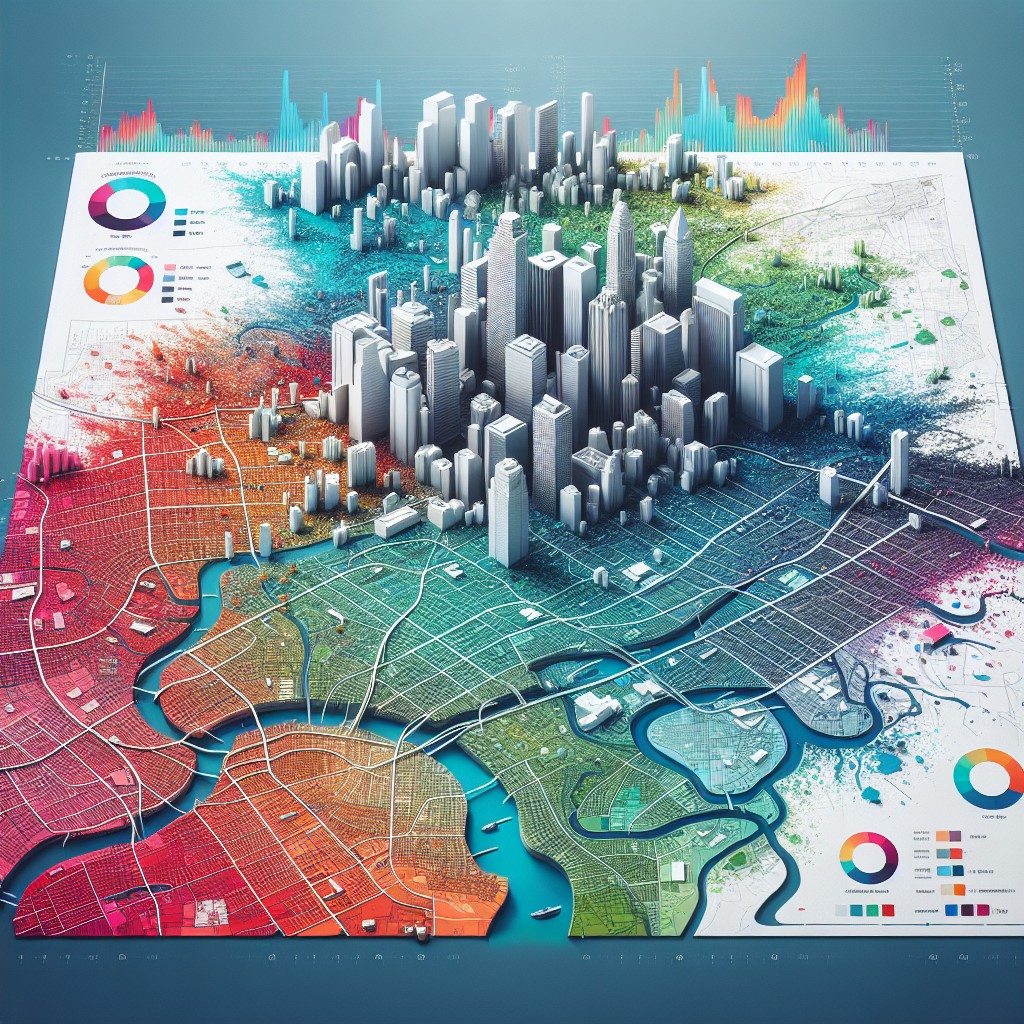
As we approach the halfway mark of the current decade, economic analysts are increasingly focused on the Price Forecast for 2026. With inflation rates fluctuating and market trends evolving, understanding the factors at play is crucial for businesses and consumers alike.
Current Inflation Trends and Their Impact
In recent years, inflation has been a pressing concern across global economies. Various factors, including supply chain disruptions stemming from the COVID-19 pandemic and geopolitical tensions, have contributed to rising prices in many sectors. The International Monetary Fund (IMF) predicts that inflation will begin to stabilize as supply chains recover and energy prices normalize. However, central banks remain vigilant, indicating that monetary policies will adapt to both anticipated and unexpected economic conditions.
Market Predictions for Consumer Goods
The consumer goods sector has seen significant price adjustments, influenced by inflationary pressures and consumer demand shifts. According to economic forecasts, by 2026, prices for essential consumer goods may increase in alignment with broader economic recovery trends. Analysts expect that as the workforce stabilizes and spending habits shift post-pandemic, these goods will continue to experience price fluctuations but may see a more predictable pattern compared to the previous years of volatility.
Long-Term Economic Factors Affecting Prices
Several long-term factors will ultimately shape the price landscape by 2026. These include advancements in technology, which may reduce production costs, as well as ongoing climate change initiatives that could influence commodity prices. Additionally, the evolving geopolitical climate and trade agreements will likely play crucial roles in determining the Price Forecast for various industries. Experts caution that while some prices may stabilize, others, particularly those heavily influenced by energy and raw material costs, may continue to exhibit significant volatility.
Frequently Asked Questions about Price Forecast
What key factors influence the Price Forecast?
The Price Forecast is influenced by inflation rates, consumer demand, and global economic conditions, among other factors.
How often does the Price Forecast change?
The Price Forecast can change frequently, reflecting shifts in economic indicators, market trends, and unexpected global events.
What role do central banks play in the Price Forecast?
Central banks influence the Price Forecast through monetary policies aimed at controlling inflation and stabilizing the economy.
Can consumers predict trends in the Price Forecast?
While consumers can look at economic indicators and expert analyses to gauge future trends, the Price Forecast can be unpredictable due to various external factors.
What is the significance of the Price Forecast for businesses?
The Price Forecast is crucial for businesses in planning budgets, pricing strategies, and managing supply chain costs effectively.