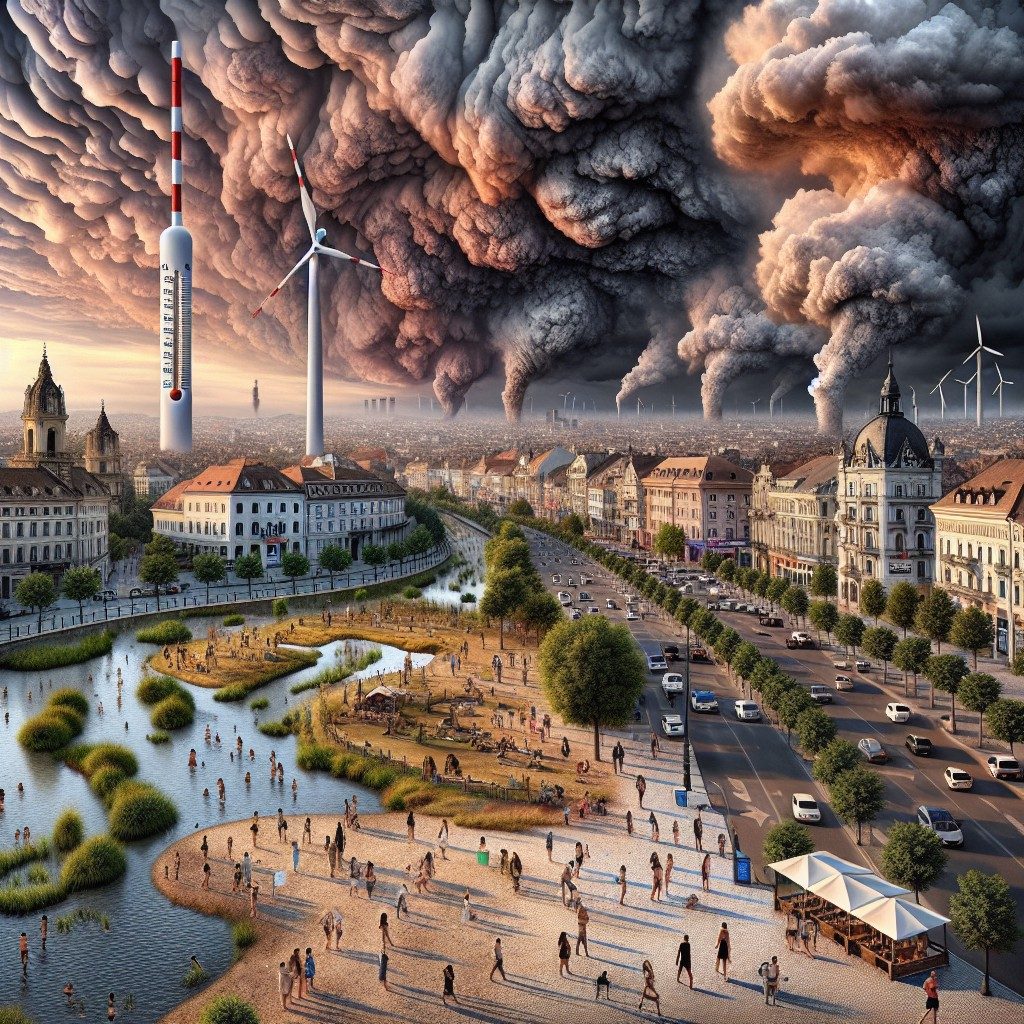
Urban heat poses significant challenges to cities across the globe, intensifying health risks, increasing energy consumption, and impacting overall quality of life. While planting more trees has been a popular response, cities worldwide are developing diverse strategies to combat rising temperatures and mitigate the effects of urban heat effectively.
Innovative Cooling Materials and Surfaces
Several cities have started implementing innovative materials designed to reduce heat absorption and increase reflectivity on urban surfaces. Cool pavements and reflective roofing materials, often referred to as “cool roofs,” help lower surface temperatures by reflecting more sunlight and absorbing less heat. These technologies are proving to be valuable tools beyond greenery, contributing to the reduction of the urban heat effect especially in densely built areas.
Enhanced Urban Design and Architecture
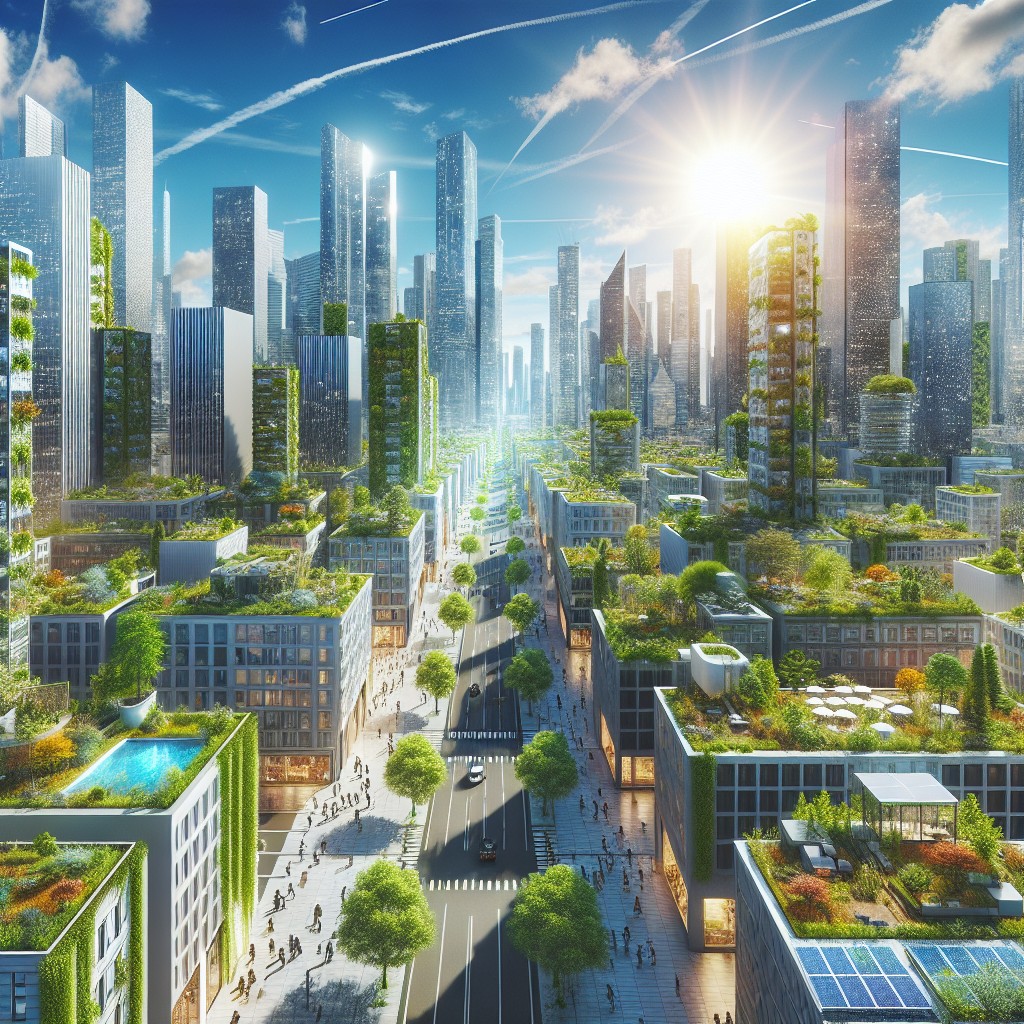
Urban planners and architects are reevaluating city layouts to promote better air circulation and shading. Designs that incorporate wider streets, strategically positioned buildings, and open spaces can facilitate natural ventilation and reduce heat accumulation. Some cities are integrating green roofs and vertical gardens into building designs, which not only provide insulation but also aid in cooling down surrounding air, adding to the multifaceted approach required to manage urban heat.
Water Management and Cooling Strategies
Water-based cooling solutions are gaining prominence as sustainable methods to alleviate urban heat. Cities are implementing features such as water fountains, ponds, and misting systems in parks and public spaces to enhance evaporative cooling. In addition, managing stormwater effectively to prevent heat retention and integrating permeable surfaces mitigate heat buildup while addressing other environmental concerns.
Use of Technology and Data for Heat Monitoring
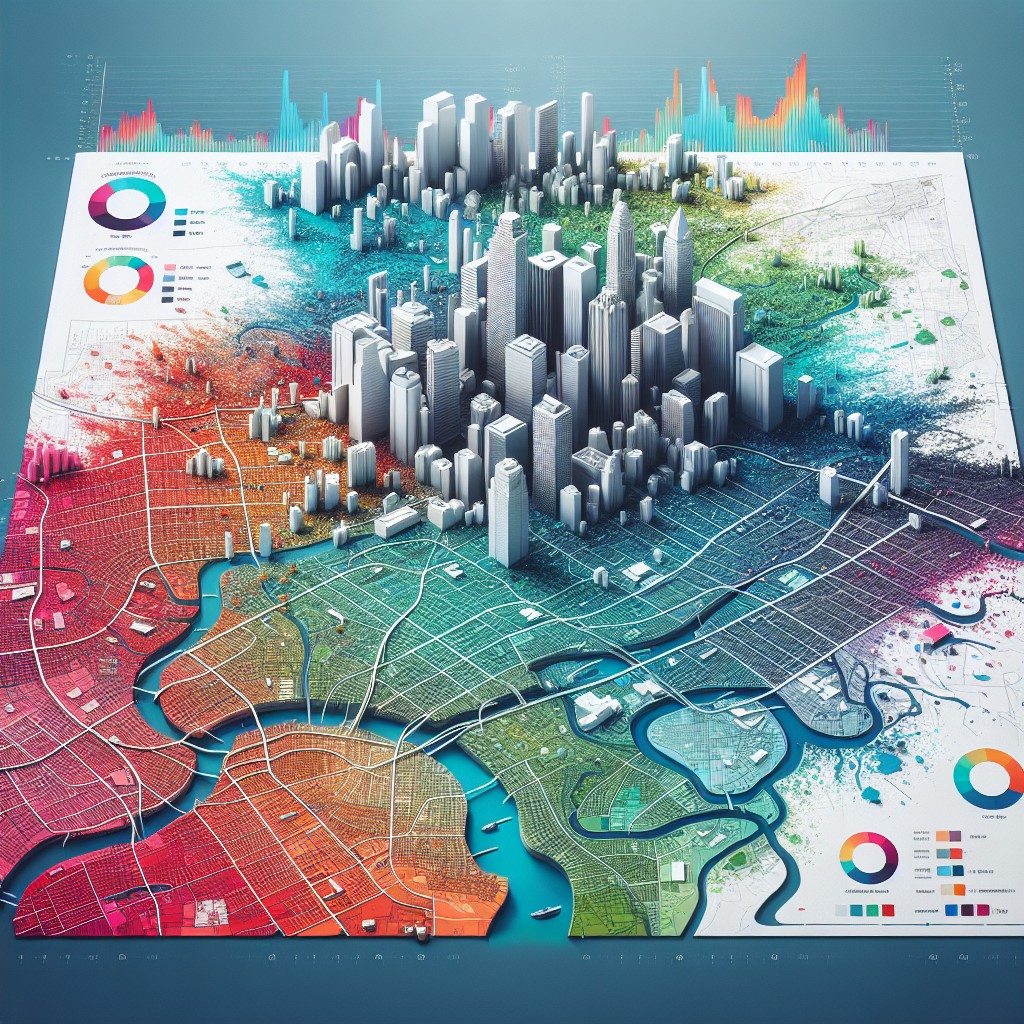
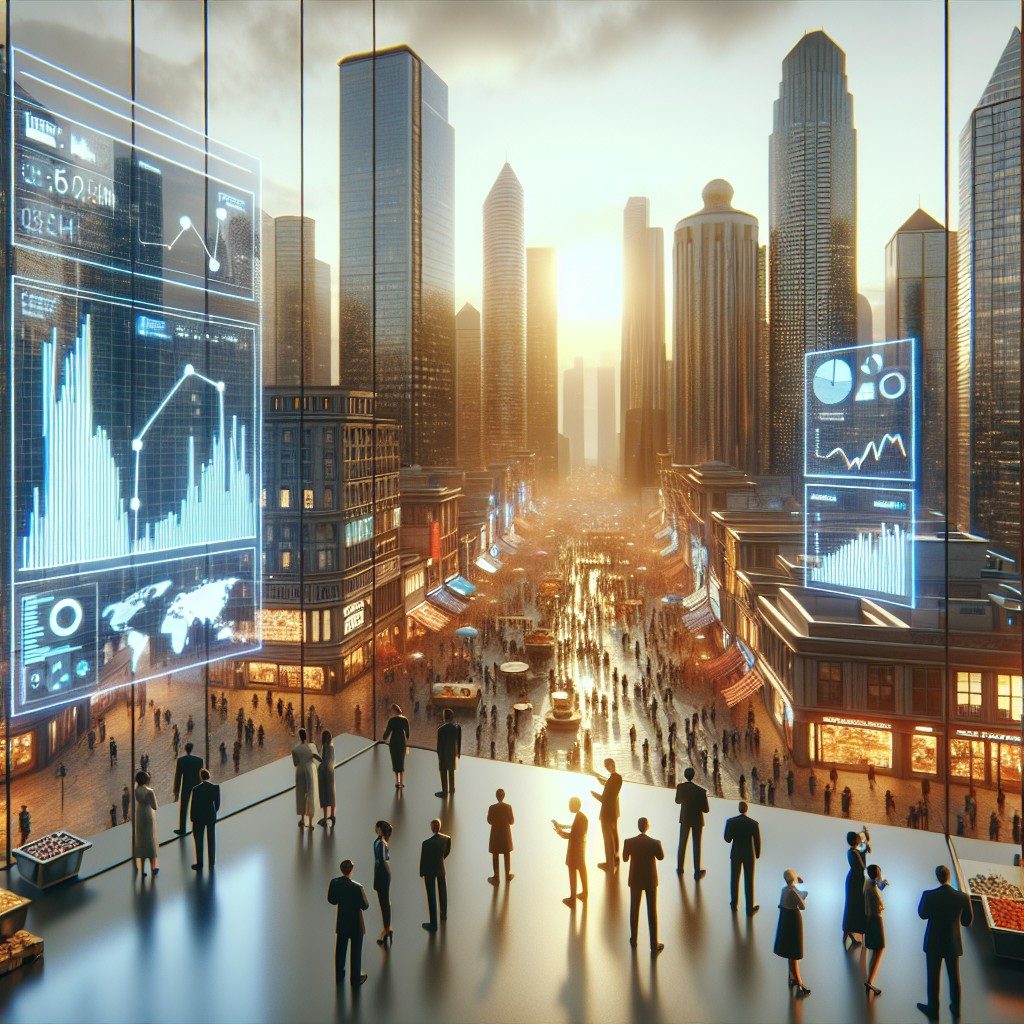
Deploying data-driven approaches, many municipalities are utilizing real-time thermal mapping and monitoring systems to understand urban heat distribution patterns. This integration of technology enables targeted interventions and informed decision-making for heat mitigation measures. Geographic Information System (GIS) tools combined with satellite data help identify hotspots, allowing for precise allocation of resources towards cooling initiatives.
Community Engagement and Public Awareness
Addressing urban heat also involves raising public awareness and encouraging community participation in heat mitigation efforts. Education campaigns about heat risks and personal cooling strategies empower residents to adapt. Additionally, local governments collaborate with communities to develop neighborhood-specific solutions that respond to unique heat vulnerabilities, demonstrating that effective urban heat planning extends beyond environmental modifications.
Conclusion
As cities face the escalating impacts of urban heat, the response must be multifaceted and tailored. While planting trees remains a crucial element of urban heat mitigation, innovative materials, advanced urban design, water-based solutions, technological monitoring, and active community involvement are essential components of a comprehensive strategy. Looking ahead, cities that integrate these diverse approaches are better positioned to safeguard residents and improve urban resilience amid global temperature rises and changing climate patterns. Effective urban heat planning will increasingly rely on combining nature-based solutions with technological and design innovations to create cooler, healthier urban environments worldwide.
Frequently Asked Questions about urban heat
What causes urban heat in cities?
Urban heat is primarily caused by the concentration of buildings, roads, and other infrastructure that absorb and retain heat, combined with limited vegetation and human activities generating additional warmth.
Why is planting trees alone not sufficient to tackle urban heat?
While planting trees helps provide shade and cool air through evapotranspiration, it is not sufficient alone because urban heat is influenced by multiple factors including surface materials, building density, and lack of water bodies, requiring comprehensive planning beyond greenery.
How do cool roofs help in urban heat reduction?
Cool roofs reduce urban heat by reflecting more sunlight and absorbing less heat compared to traditional roofs, lowering building temperatures and decreasing heat radiated into the surrounding air.
Can urban water features really reduce urban heat?
Yes, urban water features like fountains and ponds promote evaporative cooling, which helps reduce air temperature in nearby areas, contributing to the mitigation of urban heat.
What role does technology play in managing urban heat?
Technology enables cities to monitor and analyze urban heat patterns in real time, allowing authorities to implement targeted cooling strategies and optimize resource allocation effectively.