As global temperatures continue to rise due to climate change, experts have conducted a comprehensive Climate Analysis to forecast the weather patterns expected in 2026. This analysis reveals a series of alarming trends that could significantly impact ecosystems, economies, and human health worldwide.
Severe Weather Events on the Rise
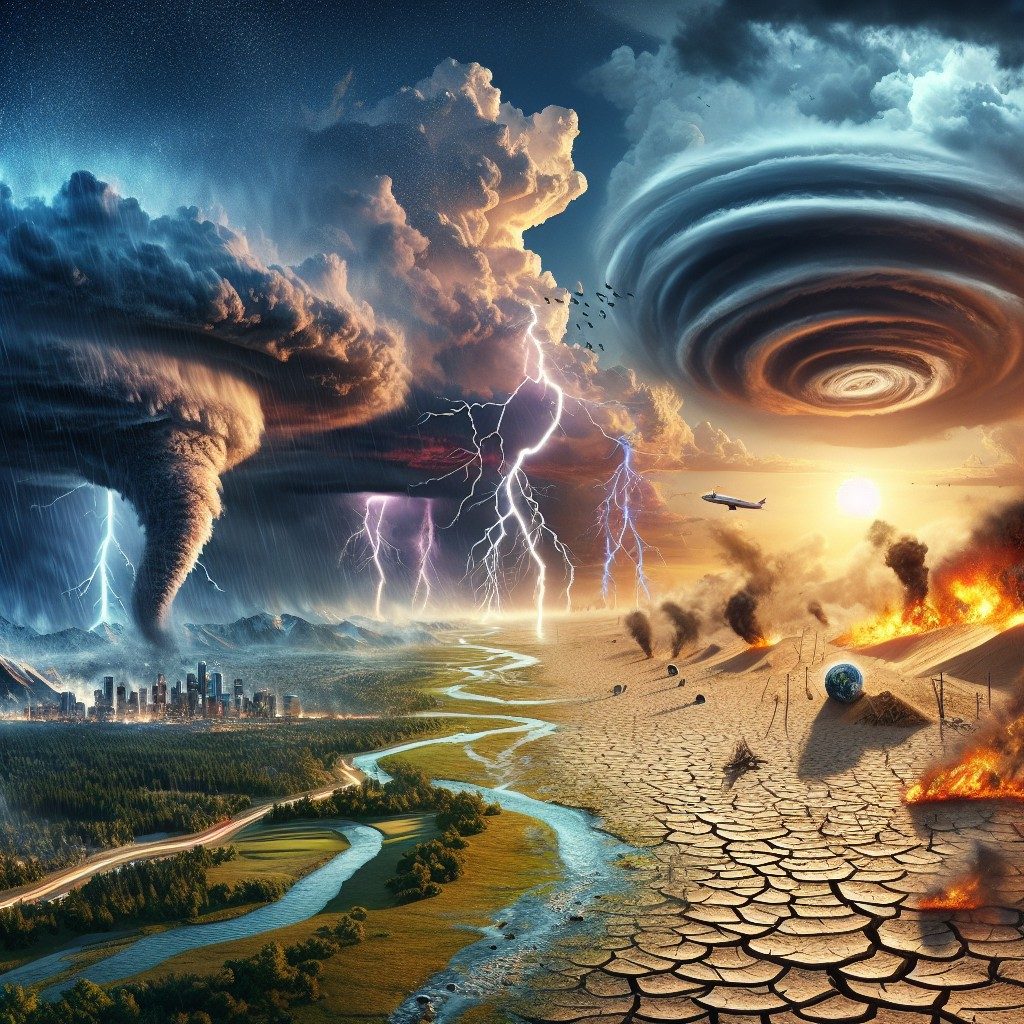
The latest climate models indicate an increase in the frequency and intensity of extreme weather events by 2026. Hurricane seasons, typically predictable, are anticipated to become more erratic, with scientists warning of storms far surpassing previous record-breaking intensities. The National Oceanic and Atmospheric Administration (NOAA) anticipates an uptick in catastrophic weather patterns, including larger hurricanes and heightened rainfall, leading to widespread flooding in coastal areas. Heatwaves are also expected to become harsher, exacerbating existing health crises and affecting agricultural outputs.
Impact on Agriculture and Food Security
A significant concern identified in the Intergovernmental Panel on Climate Change (IPCC) reports is the impact of shifting weather patterns on global agriculture. Regions previously known for their agricultural productivity may face unprecedented challenges due to altered rainfall patterns and increased likelihood of droughts. This disruption could lead to food shortages in vulnerable populations, intensifying the already critical issues of food security globally. Unpredictable growing seasons and crop failures are anticipated as extreme weather becomes the norm.
Global Response and Adaptation Strategies
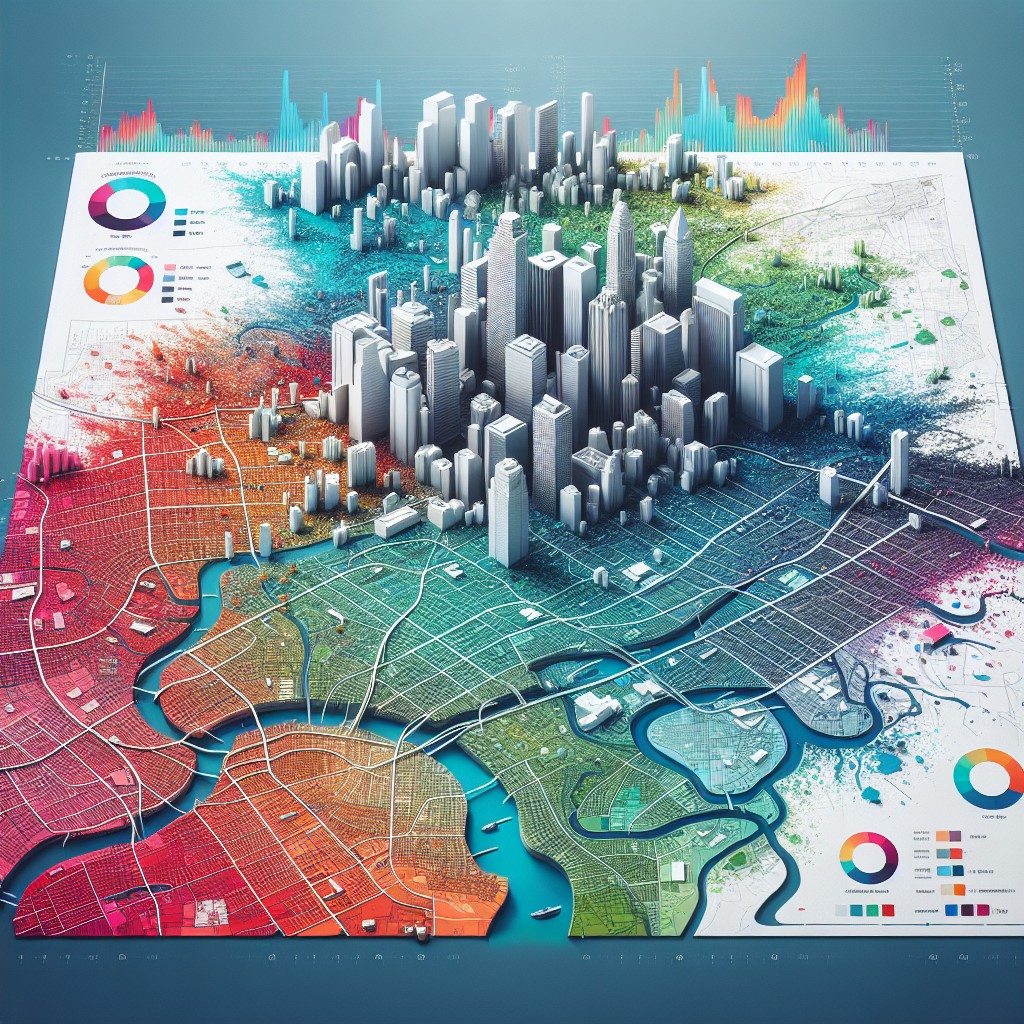
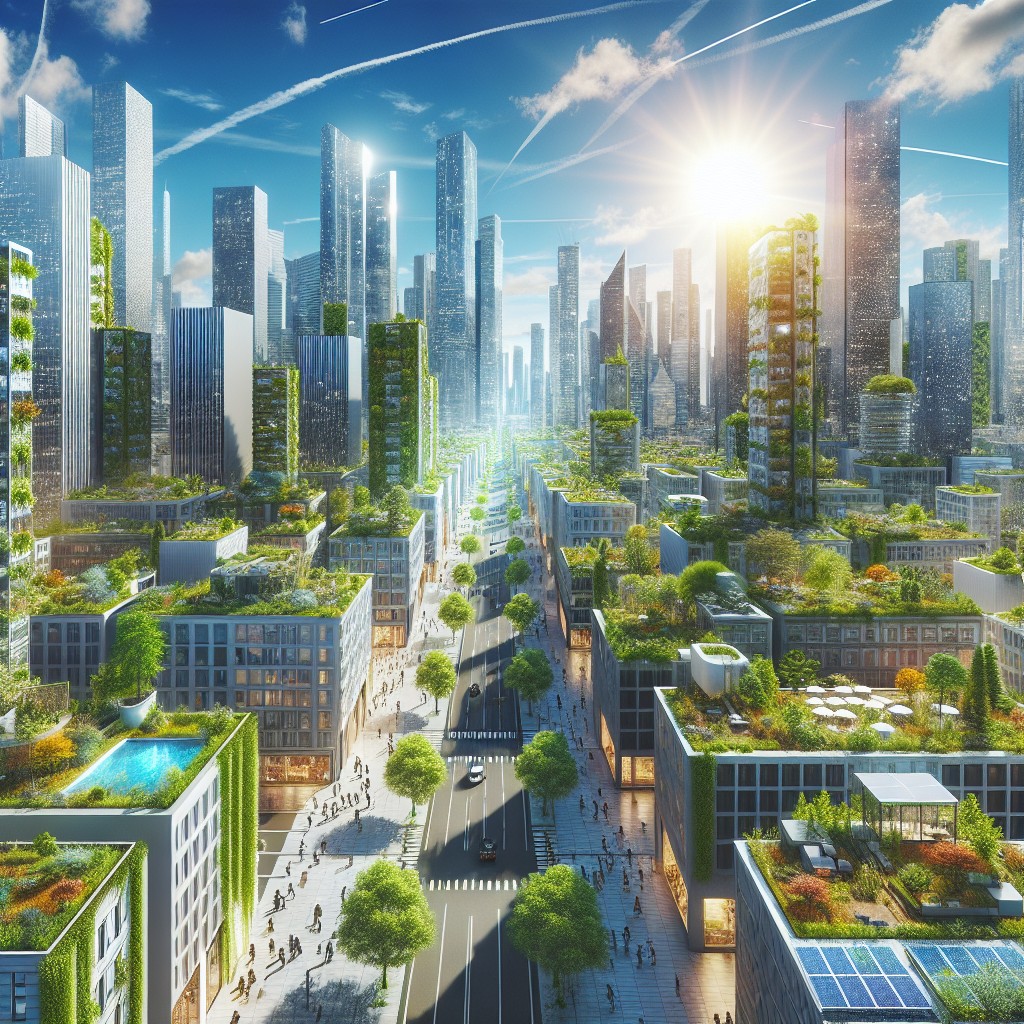
In response to these predicted weather patterns, nations around the world are urged to implement adaptive measures. The need for international cooperation in disaster preparedness has never been more crucial. Stakeholders from governments to NGOs are emphasizing resilience strategies, including improved infrastructure to withstand severe weather and investment in sustainable agricultural practices. Enhanced monitoring and research will be key components of this global initiative, providing ongoing Climate Analysis to adapt strategies as conditions evolve.
Frequently Asked Questions about Climate Analysis
What does climate analysis involve?
Climate analysis involves examining data related to weather patterns, temperatures, and environmental changes to predict future climatic conditions.
How often should climate analysis be updated?
Climate analysis should be updated regularly to incorporate new data and findings, ideally on an annual basis or more frequently in response to significant events.
Why is climate analysis crucial for policymakers?
Climate analysis provides essential data that helps policymakers design effective strategies for mitigation and adaptation to climate change impacts.
What are the main tools used in climate analysis?
Main tools for climate analysis include climate models, satellite observations, and statistical techniques that assess historical weather data.
How can individuals contribute to climate analysis efforts?
Individuals can contribute by supporting policies aimed at climate awareness, participating in citizen science projects, and advocating for sustainable practices.